The Significance of Patient Experience in Dentistry
Patient experience encompasses every interaction a patient has with a dental practice, from the initial phone call to post-treatment follow-up. In Australia, dental practices are increasingly recognising the importance of patient-centred care, aligning their services with the expectations and needs of their patients. According to the Australian Dental Association (ADA), providing a positive patient experience not only fosters patient loyalty but also contributes to the growth and reputation of the practice within the community.
For patients, a positive experience goes beyond effective treatment; it encompasses the entire journey, from the moment they enter the practice to the time they leave. This holistic approach to care is bolstered significantly by the quality and functionality of the dental equipment utilised throughout their visit.
Ergonomics and Patient Comfort
One of the foundational elements in enhancing patient experience is ensuring optimal comfort during dental procedures. This starts with ergonomic design principles applied to dental chairs and treatment room layout. In Australia, dental practices adhere to standards set by the Dental Board of Australia (DBA), which emphasise patient comfort and safety during treatment.
Ergonomic dental chairs, for instance, are designed to support proper posture and reduce strain on both patients and dental professionals. Features such as adjustable headrests, lumbar support, and padded armrests not only enhance comfort but also contribute to a relaxed and reassuring atmosphere. This proactive approach to patient comfort can significantly alleviate anxiety commonly associated with dental visits, fostering a more positive experience overall.
Technological Integration in Treatment Rooms
Advancements in dental technology have revolutionised patient care by enabling more accurate diagnoses, efficient treatments, and improved patient education. In Australia, practices equipped with state-of-the-art technology demonstrate a commitment to delivering high-quality care in line with national standards and guidelines.
Digital imaging systems, such as intraoral cameras and digital X-rays, allow dentists to capture detailed images in real-time, enhancing diagnostic precision and treatment planning. These technologies not only aid in detecting dental issues early but also empower patients by providing visual insights into their oral health. The ability to view and discuss digital images with their dentist enhances transparency and patient engagement, contributing to a more informed and satisfying treatment experience.
Enhancing Communication with Patients
Effective communication is fundamental to building trust and ensuring patient satisfaction in dental care. Dental equipment plays a pivotal role in facilitating clear and concise communication between dentists and patients throughout the treatment process. In Australia, dental practices are encouraged by the Australian Health Practitioner Regulation Agency (AHPRA) to adopt communication strategies that prioritise patient understanding and involvement in their own care.
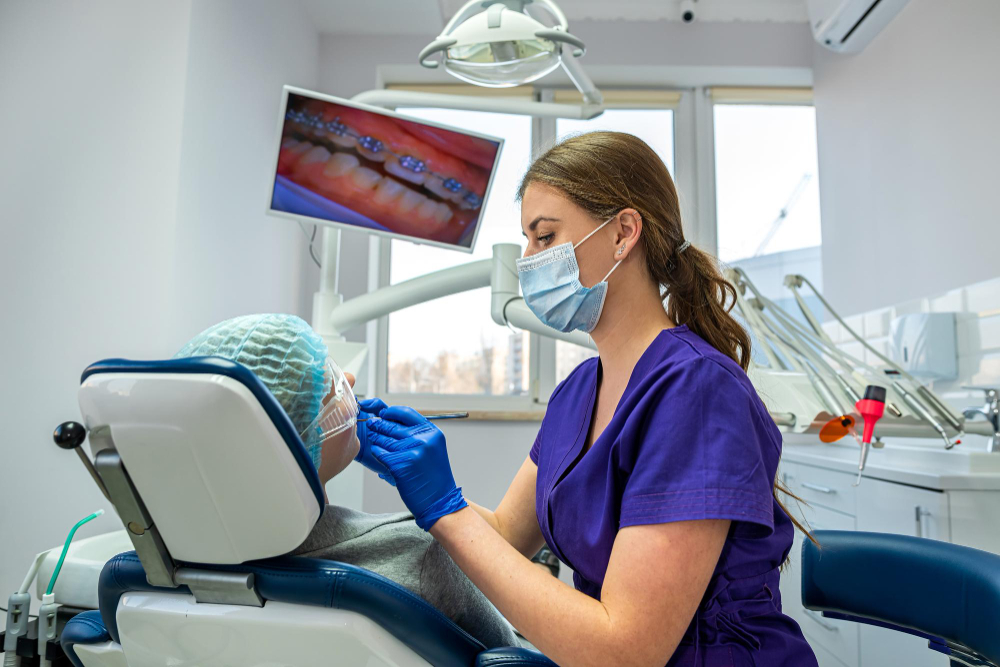
Equipment such as patient monitors or video displays in treatment rooms enables dentists to illustrate treatment plans, share diagnostic images, and explain procedures in a visual and accessible manner. This interactive approach not only enhances patient comprehension but also fosters a collaborative decision-making process. Patients feel more empowered and reassured when they can actively participate in discussions about their oral health, leading to a heightened sense of satisfaction and confidence in their dental care providers
Impact of Equipment on Treatment Efficiency
Efficiency in dental treatment not only enhances practice productivity but also significantly contributes to a positive patient experience. In Australia, dental practices strive to streamline workflows and minimise wait times through the strategic integration of efficient dental equipment. This approach not only meets patient expectations for prompt and effective care but also supports the operational efficiency of the practice as a whole.
Advanced equipment such as high-speed dental handpieces and chairside CAD/CAM systems plays a crucial role in expediting procedures without compromising on quality. These technologies enable dentists to perform tasks more swiftly and accurately, reducing the duration of treatments and minimising patient discomfort. For instance, CAD/CAM systems allow for same-day dental restorations, eliminating the need for multiple appointments and thereby enhancing convenience for patients.
Digital record-keeping systems streamline administrative processes, enabling seamless access to patient records and treatment histories. This accessibility not only enhances clinical decision-making but also improves communication between dental teams, further optimising the patient experience. Patients benefit from reduced waiting times and a smoother treatment journey, reinforcing their confidence in the practice’s ability to deliver efficient and effective dental care.
Hygiene and Sterilisation Standards
Maintaining stringent hygiene and sterilisation standards is paramount in ensuring patient safety and satisfaction in dental practices across Australia. The Dental Board of Australia (DBA) sets guidelines that mandate practices to adhere to rigorous infection control protocols, safeguarding both patients and dental staff against cross-contamination and infectious diseases.
State-of-the-art sterilisation equipment, such as autoclaves and instrument washers, plays a pivotal role in achieving these standards. These devices employ advanced sterilisation techniques that exceed industry requirements, effectively eliminating pathogens and ensuring the cleanliness of dental instruments and equipment. Visible adherence to these hygiene protocols instils confidence in patients, reassuring them of the practice’s commitment to their health and safety.
In addition to sterilisation equipment, dental practices invest in ergonomic design features that facilitate efficient cleaning and maintenance of treatment areas. Seamless surfaces, anti-microbial materials, and disposable barriers further enhance infection control measures, creating a hygienic environment that promotes patient well-being and comfort.
Comfort During Procedures
Patient comfort during dental procedures is paramount to ensuring a positive treatment experience. Modern dental equipment incorporates innovative features designed to mitigate discomfort and anxiety commonly associated with dental visits. In Australia, dental practices prioritise patient-centric care by integrating comfort-oriented technologies into their treatment rooms.
For instance, dental chairs equipped with memory foam padding and vibration reduction technology enhance patient comfort during longer procedures. These features minimise pressure points and reduce noise levels, creating a more relaxed environment conducive to patient relaxation. Ergonomic dental instruments, such as lightweight handpieces and ergonomic grips, also contribute to a smoother treatment experience by minimising strain on both patients and dental professionals.
Advancements in local anaesthesia delivery systems, such as computer-controlled devices and needle-free options, enhance the administration of pain relief while minimising patient apprehension. These innovations not only improve patient comfort but also contribute to a more efficient and stress-free dental visit. By prioritising comfort throughout the treatment process, dental practices in Australia foster a supportive and patient-focused approach to care.
Post-Treatment Care and Follow-up
The impact of dental equipment extends beyond treatment procedures to encompass post-treatment care and follow-up support. In Australia, dental practices emphasise continuity of care by integrating equipment that supports patient monitoring and recovery. This approach ensures comprehensive care and enhances patient satisfaction by addressing their ongoing dental needs.
Equipment such as recovery chairs and patient monitoring systems enables dentists to closely observe patients post-procedure, ensuring immediate intervention if necessary. These devices provide real-time data on vital signs and post-operative conditions, allowing for timely adjustments to treatment plans and personalised patient care. Effective post-treatment follow-up enhances patient outcomes and reinforces the trust and confidence patients have in their dental providers.
Digital communication tools facilitate ongoing engagement with patients, enabling practices to provide educational resources, appointment reminders, and post-operative instructions electronically. This proactive approach to patient communication strengthens the patient-provider relationship and empowers patients to actively participate in their oral health management. By leveraging advanced equipment for post-treatment care and follow-up, dental practices in Australia demonstrate their commitment to delivering comprehensive and compassionate care to every patient.
FAQs
1. How does ergonomic dental equipment improve patient comfort?
Ergonomic dental equipment, such as chairs with adjustable headrests and lumbar support, is designed to promote proper posture and reduce strain during treatments. This enhances patient comfort by minimising physical discomfort and anxiety associated with prolonged sitting. Features like padded armrests and smooth adjustments cater to individual patient needs, ensuring a more relaxed and supportive environment throughout the dental visit.
2. What role does technology play in enhancing communication between dentists and patients?
Technology facilitates clear and effective communication in dental practices by providing visual aids and real-time imaging. Equipment like patient monitors and video displays allow dentists to explain diagnoses and treatment plans visually, helping patients better understand their oral health needs. This interactive approach fosters transparency and trust, enabling patients to make informed decisions about their dental care and enhancing overall satisfaction with the treatment process.
3. How do efficient dental equipment and workflows benefit patients?
Efficient dental equipment, such as high-speed handpieces and chairside CAD/CAM systems, reduces treatment time and enhances workflow efficiency. This means less time spent in the chair for patients, minimising discomfort and optimising scheduling. Patients benefit from prompt and effective care, leading to improved satisfaction and confidence in the practice’s ability to deliver timely and high-quality dental treatments.
4. What measures do dental practices take to ensure hygiene and sterilisation standards are met?
Dental practices in Australia adhere to strict infection control guidelines set by the Dental Board of Australia (DBA). They invest in advanced sterilisation equipment like autoclaves and instrument washers, which use state-of-the-art technologies to eliminate pathogens and ensure the cleanliness of dental instruments. Additionally, practices implement hygiene protocols that include disposable barriers, anti-microbial surfaces, and rigorous cleaning routines to maintain a hygienic environment that prioritises patient safety and well-being.
5. How does modern dental equipment contribute to post-treatment care and follow-up?
Modern dental equipment supports comprehensive post-treatment care by enabling dentists to monitor patients closely after procedures. Equipment such as recovery chairs and patient monitoring systems provides real-time data on vital signs and post-operative conditions, allowing for immediate intervention if needed. Digital communication tools further facilitate ongoing engagement with patients, providing them with personalised care instructions, appointment reminders, and educational resources to support their recovery and long-term oral health.
6. What are some examples of comfort-oriented features in dental equipment?
Dental equipment designed for patient comfort includes chairs with memory foam padding, vibration reduction technology, and ergonomic instrument handles. These features minimise discomfort during procedures by reducing pressure points and noise levels, creating a more relaxing treatment environment. Innovations in local anaesthesia delivery systems, such as needle-free options and computer-controlled devices, also contribute to patient comfort by enhancing the administration of pain relief with minimal discomfort.