Dental Chairs
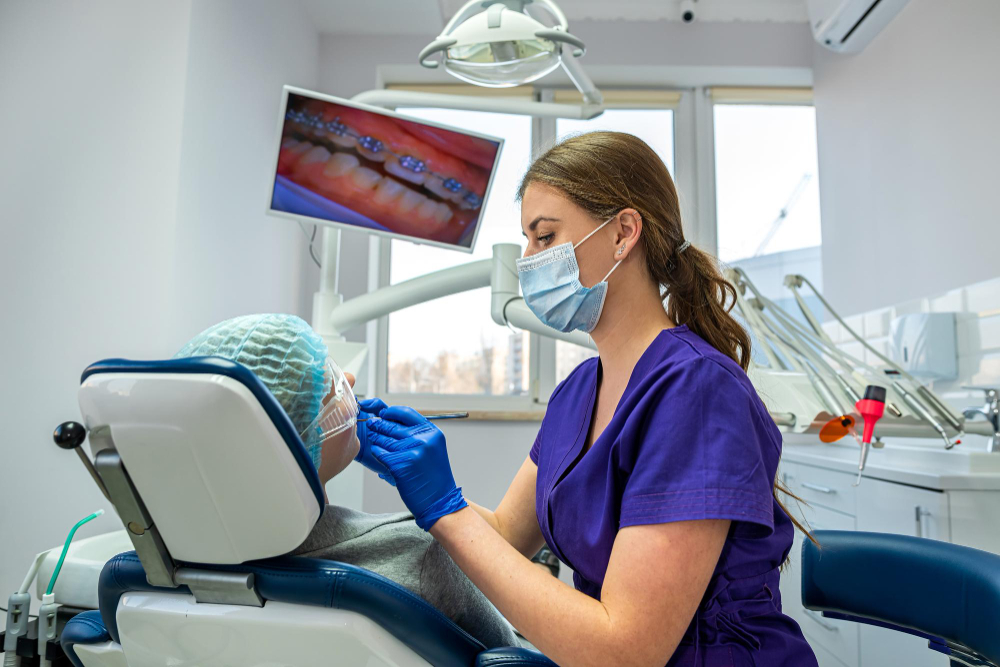
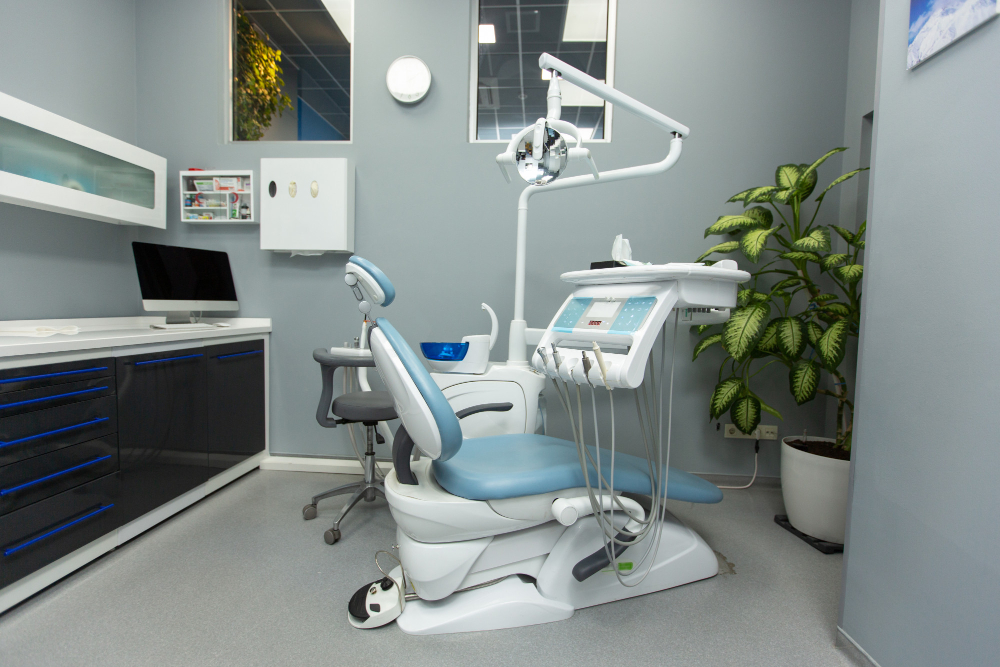
The dental chair is arguably the most crucial piece of equipment in any dental practice. It is the focal point of patient care and directly influences both patient comfort and practitioner efficiency. Modern dental chairs come equipped with numerous features designed to enhance functionality and comfort.
When selecting a dental chair, consider the following key aspects:
- Ergonomics and Comfort: An ergonomic design is essential to ensure patient comfort during procedures, which can sometimes be lengthy. Look for chairs with adjustable headrests, armrests, and lumbar support to accommodate patients of various sizes and needs.
- Adjustability: The chair should be easily adjustable to different positions, allowing for optimal access to the patient’s mouth from various angles. This flexibility is critical for performing a wide range of dental procedures efficiently.
- Durability and Maintenance: Dental chairs are a significant investment, so it is vital to choose a model known for its durability and ease of maintenance. High-quality upholstery and robust construction materials can extend the chair’s lifespan and ensure it remains hygienic.
In Australia, dental chairs must comply with the Therapeutic Goods Administration (TGA) regulations to ensure they meet safety and performance standards. Additionally, choosing chairs with eco-friendly materials can align with broader environmental goals and enhance the practice’s sustainability profile.
Diagnostic Equipment
Accurate diagnosis is the cornerstone of effective dental treatment. Equipping your practice with state-of-the-art diagnostic tools can significantly improve your ability to diagnose and plan treatments accurately.
- X-ray Machines: Digital radiography is now the gold standard in dental imaging. Digital X-ray machines offer numerous advantages over traditional film-based systems, including lower radiation doses, immediate image availability, and enhanced image quality. Ensuring your X-ray equipment complies with Australian Radiation Protection and Nuclear Safety Agency (ARPANSA) guidelines is essential for patient safety.
- Intraoral Cameras: These small, pen-sized cameras are invaluable for capturing detailed images of the inside of a patient’s mouth. They aid in diagnosis, patient education, and treatment planning. By providing patients with a clear visual of their oral health issues, intraoral cameras can help build trust and enhance treatment acceptance.
- CBCT Scanners: Cone Beam Computed Tomography (CBCT) scanners provide 3D imaging, offering a comprehensive view of the patient’s dental structures, soft tissues, nerve paths, and bone. This advanced imaging technology is particularly useful for complex cases involving implants, orthodontics, and oral surgery. When selecting a CBCT scanner, consider models known for their low radiation dose and high image quality, such as the Vatech Green CBCT, which is designed with patient safety and environmental sustainability in mind.
Sterilisation Equipment
Maintaining a sterile environment is critical in any dental practice to prevent cross-contamination and ensure patient safety. Proper sterilisation protocols and equipment are fundamental to achieving this goal.
- Autoclaves: An autoclave is an essential piece of equipment that uses steam under pressure to sterilise dental instruments and materials. Modern autoclaves come with various features, such as pre-programmed cycles and digital displays, making the sterilisation process more efficient and reliable. Compliance with Australian standards, such as AS/NZS 4187:2014 for the reprocessing of reusable medical devices, is mandatory.
- Ultrasonic Cleaners: Before sterilisation, dental instruments should be thoroughly cleaned to remove debris and biological matter. Ultrasonic cleaners use high-frequency sound waves to agitate a cleaning solution, effectively cleaning instruments. This step ensures that the subsequent sterilisation process is more effective.
- Sterilisation Pouches and Indicators: Single-use sterilisation pouches are used to encase instruments during the autoclaving process, maintaining their sterility until they are needed. Chemical indicators on the pouches change colour when exposed to the correct sterilisation conditions, providing visual confirmation that the process has been successful.
Investing in high-quality sterilisation equipment not only ensures compliance with health regulations but also enhances the overall safety and reputation of your practice.
Handpieces and Instruments
Dental handpieces and instruments are the workhorses of any dental practice. Ensuring you have a comprehensive range of high-quality tools is vital for delivering effective patient care.
- High-Speed and Low-Speed Handpieces: These are the primary tools used for a variety of dental procedures, from drilling and polishing to endodontic treatments. High-speed handpieces are used for cutting tooth structure and finishing restorations, while low-speed handpieces are used for tasks such as caries removal and polishing. Look for handpieces that offer smooth operation, ergonomic design, and ease of maintenance.
- Surgical Instruments: For practices offering surgical procedures, a range of specialised instruments such as forceps, elevators, and scalers is essential. High-quality surgical instruments ensure precision and reduce the risk of complications during procedures.
- Prophylaxis and Periodontal Instruments: Maintaining periodontal health is a critical aspect of dental care. Instruments such as scalers and curettes are used for cleaning teeth and removing plaque and tartar. Investing in durable, precision-engineered instruments can enhance treatment outcomes and patient satisfaction.
In Australia, dental instruments must adhere to standards set by the TGA and the Australian Dental Association (ADA). Regular maintenance and proper sterilisation are crucial to extend the lifespan of these tools and ensure their effective performance.
Dental Software and Technology
In today’s digital age, technology plays a pivotal role in enhancing the efficiency and effectiveness of dental practices. Integrating advanced software solutions can streamline operations, improve patient care, and boost overall productivity.
- Practice Management Software: Robust practice management software is essential for handling scheduling, billing, patient records, and communication. Look for systems that offer comprehensive features such as appointment reminders, digital charting, and integrated billing. Software like Dental4Windows, widely used in Australia, can help streamline administrative tasks and improve patient management.
- Digital Imaging Systems: Digital imaging technology, including intraoral scanners and digital radiography, allows for precise and immediate capture of patient images. These systems enhance diagnostic capabilities and treatment planning. For instance, CAD/CAM (computer-aided design and computer-aided manufacturing) systems enable the creation of highly accurate dental restorations in-house, reducing turnaround times and improving patient satisfaction.
- Patient Education Tools: Using visual aids and interactive software can help in educating patients about their oral health and proposed treatments. Tools like 3D animations and virtual simulations make it easier for patients to understand complex dental procedures, fostering better communication and trust.
Adopting these technological advancements ensures compliance with Australian standards and regulations, such as those set by the Australian Health Practitioner Regulation Agency (AHPRA), and enhances the overall patient experience.
Laboratory Equipment
Having a well-equipped dental laboratory within your practice can significantly improve efficiency and quality control. In-house lab capabilities allow for faster turnaround times and greater customisation of dental appliances and restorations.
- Dental Mills and 3D Printers: These devices are used to fabricate dental restorations such as crowns, bridges, and dentures. Dental mills offer high precision and are ideal for producing metal and ceramic restorations. 3D printers, on the other hand, are revolutionising the production of custom dental appliances with their ability to create complex shapes quickly and accurately.
- Curing Lights: High-quality curing lights are essential for polymerising light-cured resins and adhesives. Ensure that your curing lights offer a broad wavelength range to cure various dental materials effectively.
- Model Trimmers and Casting Machines: These tools are used in the creation and finishing of dental models and castings. Investing in reliable and precise equipment ensures that the dental appliances produced meet the highest standards of quality and fit.
Equipping your practice with advanced laboratory equipment aligns with the standards of the Australian Dental Association (ADA) and can greatly enhance the service offerings of your practice.
Patient Comfort and Amenities
Creating a welcoming and comfortable environment is crucial for patient satisfaction and retention. Investing in amenities that enhance the patient experience can set your practice apart.
- Comfortable Waiting Area: Furnish your waiting area with comfortable seating, calming décor, and amenities such as magazines, televisions, and refreshment stations. A well-designed waiting area helps to reduce patient anxiety and create a positive first impression.
- Entertainment Options: Providing entertainment options, such as televisions in treatment rooms and access to music or streaming services, can help distract and relax patients during procedures. This is particularly beneficial for children and anxious patients.
- Patient Amenities: Offering small conveniences such as free Wi-Fi, charging stations, and complimentary beverages can significantly enhance the overall patient experience. Additionally, providing items such as blankets and neck pillows during treatments can increase comfort and show a level of care and attention to detail.
Investing in these amenities demonstrates a commitment to patient care and comfort, fostering loyalty and encouraging positive word-of-mouth referrals.
Office Furniture and Supplies
Efficient practice management extends beyond clinical areas to include the administrative spaces. Proper office furniture and supplies are essential for maintaining an organised and professional environment.
- Reception Desks and Workstations: Ensure that your reception area is equipped with ergonomic desks and chairs to provide a comfortable working environment for your administrative staff. Efficiently designed workstations contribute to smoother operations and better patient service.
- Filing and Storage Solutions: Organised filing systems and storage solutions are vital for maintaining patient records and managing office supplies. Consider digital filing systems to reduce paper clutter and enhance data security.
- Office Supplies: Stock your practice with essential office supplies such as computers, printers, telephones, and stationery. Reliable office equipment ensures that daily operations run smoothly and reduces the likelihood of disruptions.
Having a well-organised administrative area not only improves efficiency but also contributes to the overall professionalism of your practice.
Safety and Compliance
Ensuring the safety of both patients and staff is paramount in any dental practice. Compliance with health and safety regulations is not only a legal requirement but also essential for building trust and maintaining a positive reputation.
- Infection Control Measures: Adhering to strict infection control protocols is critical. This includes regular hand hygiene, the use of personal protective equipment (PPE), and surface disinfection. Ensure that your practice complies with the National Safety and Quality Health Service (NSQHS) Standards.
- Emergency Equipment: Equip your practice with essential emergency equipment such as fire extinguishers, first aid kits, and defibrillators. Staff should be trained in basic emergency response procedures, including CPR and first aid.
- Regulatory Compliance: Familiarise yourself with the regulations and guidelines set by the Australian Dental Council (ADC) and the Dental Board of Australia. Regular audits and compliance checks can help ensure that your practice adheres to these standards.
Investing in safety and compliance measures not only protects your patients and staff but also enhances the credibility and reliability of your practice.
By carefully selecting and investing in the right equipment, technology, and amenities, you can set the foundation for a successful and efficient dental practice. Each element plays a crucial role in ensuring high standards of care, patient satisfaction, and operational efficiency. For all your dental equipment needs, consider partnering with trusted suppliers like Medical Dental Solutions to ensure you receive quality products and excellent service.
Frequently Asked Questions (FAQs)
1. What are the most essential pieces of equipment needed to start a new dental practice?
Starting a new dental practice requires several key pieces of equipment to ensure you can provide comprehensive care. These essentials include ergonomic dental chairs, digital diagnostic tools (like X-ray machines and intraoral cameras), sterilisation equipment (such as autoclaves and ultrasonic cleaners), high-quality handpieces and instruments, practice management software, and basic laboratory equipment. Each piece of equipment plays a vital role in ensuring efficiency, patient comfort, and adherence to safety standards.
2. How important is it to invest in high-quality dental chairs?
Investing in high-quality dental chairs is crucial for both patient comfort and practitioner efficiency. Ergonomic chairs that offer adjustability, comfort, and durability can significantly enhance the patient experience, making long procedures more tolerable. Additionally, high-quality chairs reduce the risk of physical strain on the dentist, promoting better posture and reducing fatigue. Ensuring that the chairs meet Australian Therapeutic Goods Administration (TGA) regulations is also essential for safety and compliance.
3. Why is digital radiography preferred over traditional film-based X-rays in modern dental practices?
Digital radiography is preferred over traditional film-based X-rays for several reasons. Digital systems offer lower radiation doses, immediate image availability, enhanced image quality, and the ability to easily store and share images electronically. These advantages improve diagnostic accuracy and patient safety. Furthermore, digital radiography aligns with the Australian Radiation Protection and Nuclear Safety Agency (ARPANSA) guidelines, ensuring compliance with safety standards.
4. What steps should be taken to ensure proper sterilisation in a dental practice?
Proper sterilisation in a dental practice involves several critical steps. Firstly, instruments should be thoroughly cleaned using ultrasonic cleaners to remove debris and biological matter. Next, they should be sterilised using autoclaves, which use steam under pressure to eliminate any remaining pathogens. It’s important to use sterilisation pouches with chemical indicators to confirm that the correct conditions have been met. Adhering to Australian standards, such as AS/NZS 4187:2014, is essential for compliance and patient safety. Regular monitoring and maintenance of sterilisation equipment also ensure their effectiveness.
5. How does practice management software benefit a dental practice?
Practice management software benefits a dental practice by streamlining administrative tasks, improving patient management, and enhancing overall efficiency. Key features often include appointment scheduling, billing, patient records management, and communication tools. Such software can reduce administrative burdens, minimise errors, and provide a seamless experience for both staff and patients. In Australia, using reputable software like Dental4Windows ensures compliance with local data protection regulations and standards set by the Australian Health Practitioner Regulation Agency (AHPRA).
6. What considerations should be made when setting up a dental laboratory within a practice?
When setting up a dental laboratory within a practice, several considerations should be made to ensure efficiency and quality. Essential lab equipment includes dental mills, 3D printers, curing lights, and model trimmers. Investing in high-precision equipment ensures that dental appliances and restorations are of the highest quality. Additionally, having in-house lab capabilities can reduce turnaround times and allow for greater customisation of dental products. Compliance with Australian Dental Association (ADA) standards and ensuring staff are adequately trained to use the equipment are also crucial for maintaining high standards and operational safety.