1. Understanding Dental Equipment
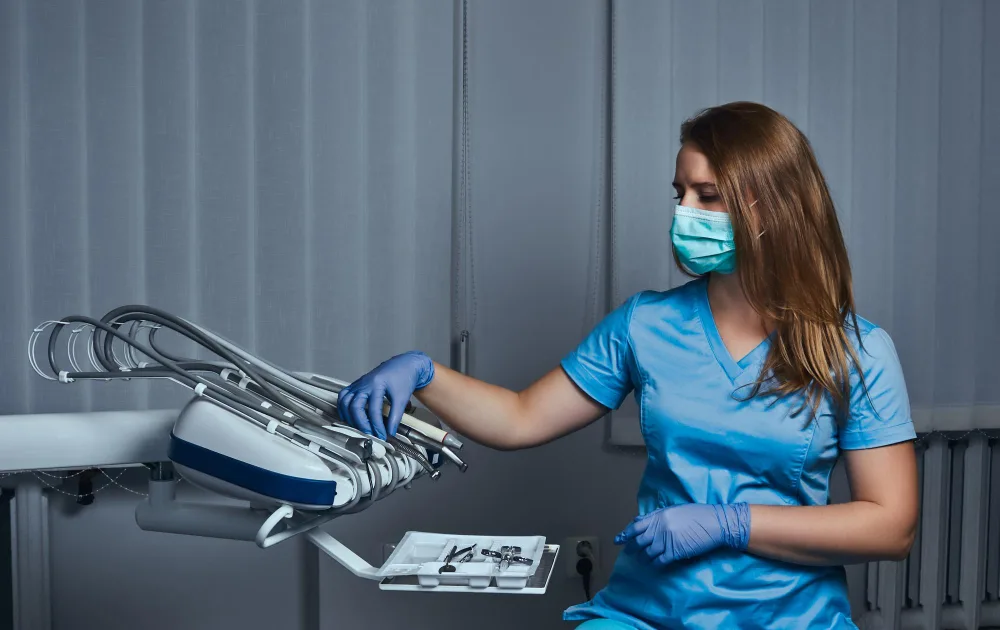
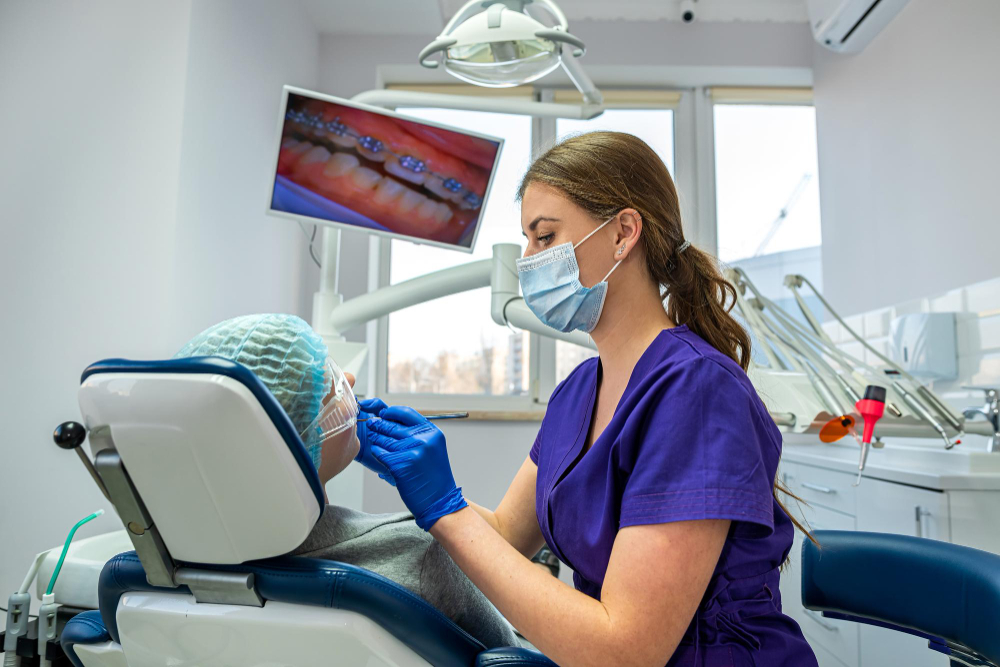
Dental equipment forms the backbone of every dental practice, encompassing a diverse array of tools and instruments essential for diagnosis, treatment, and patient care. From intricate handpieces and high-speed drills to sophisticated imaging systems and sterilisation units, each piece of equipment plays a critical role in delivering quality dental care. Understanding the functions and intricacies of these tools is fundamental to implementing effective maintenance practices that not only prolong their lifespan but also optimise their performance during patient treatments.
2. Benefits of Regular Maintenance
The benefits of regular maintenance extend far beyond simply keeping equipment operational. By adhering to a systematic maintenance schedule, dental practices can significantly enhance equipment reliability and durability. Proactive maintenance reduces the likelihood of unexpected breakdowns, thereby minimising disruptions to daily operations and patient appointments. Moreover, routine upkeep ensures that equipment operates at peak efficiency, contributing to improved treatment outcomes and patient satisfaction. From a financial standpoint, proactive maintenance also mitigates the need for costly repairs or premature replacements, offering long-term cost savings and protecting the practice’s investment in equipment.
3. Daily Maintenance Routine
An effective maintenance strategy begins with a meticulous daily routine that focuses on immediate cleanliness and operational readiness of dental equipment. After each use, instruments should be thoroughly cleaned and sterilised according to infection control guidelines set forth by the ADA and TGA. This includes disinfecting dental chairs, handpieces, and other high-touch surfaces to prevent cross-contamination and ensure patient safety. Visual inspections should also be conducted to identify any signs of wear, damage, or malfunction that require prompt attention. By integrating these daily maintenance tasks into standard operating procedures, dental practices uphold strict hygiene standards and optimise the longevity of their equipment.
4. Weekly Maintenance Checks
In addition to daily routines, weekly maintenance checks are essential for conducting more thorough assessments of dental installations and equipments. These checks involve comprehensive inspections of critical components such as water lines, suction units, and radiographic systems. It is crucial to follow manufacturer guidelines for lubrication and calibration to maintain optimal performance and accuracy. Regular adjustments and minor repairs identified during these checks help pre-empt potential issues before they escalate, ensuring uninterrupted functionality during patient treatments. By allocating dedicated time for weekly maintenance checks, dental practices demonstrate a commitment to operational excellence and regulatory compliance, fostering a safe and efficient environment for both patients and staff.
5. Monthly Maintenance Tasks
Monthly maintenance tasks for dental equipment are crucial for ensuring sustained performance and longevity. These tasks go beyond daily and weekly routines, focusing on deeper inspections and adjustments that uphold operational efficiency and compliance with regulatory standards in Australia. Conducting monthly maintenance not only enhances equipment reliability but also reduces the risk of unexpected downtime during patient treatments.
Begin by reviewing equipment logs to track usage patterns and identify any emerging issues. Inspect dental chairs for stability and functionality, ensuring smooth operation and patient comfort. Check suction units and compressors for proper suction power and airflow, addressing any blockages or leaks promptly. It’s also essential to conduct water quality tests to maintain purity in dental unit water lines, adhering to guidelines from the Australian Dental Association (ADA) on infection control.
For radiographic equipment, perform calibration checks to verify imaging accuracy and clarity. Follow manufacturer recommendations for sensor cleaning and maintenance to prolong their lifespan and ensure diagnostic precision. Regularly inspect handpieces and scaling equipment for wear or damage, replacing components as necessary to maintain optimal performance. By integrating these comprehensive monthly tasks into your maintenance routine, dental practices uphold stringent hygiene and safety standards while maximising the lifespan of critical equipment.
6. Quarterly and Annual Maintenance
Quarterly and annual maintenance intervals provide opportunities for in-depth servicing and preventative care that extend the longevity of dental supplies. Engaging professional technicians or service providers accredited by bodies such as the Dental Board of Australia ensures compliance with regulatory requirements and manufacturer warranties.
Quarterly maintenance focuses on deep cleaning and sterilisation of equipment surfaces and components. This includes disassembling and disinfecting handpieces, curing lights, and other reusable instruments. Inspect and replace water filters and purification systems to maintain water quality standards outlined in the ADA guidelines. Verify the functionality of autoclaves and sterilisers through rigorous testing and calibration, ensuring they meet TGA standards for infection control.
Annual servicing involves comprehensive inspections and refurbishments to address wear and tear accumulated over the year. Technicians conduct detailed assessments of dental chairs, examining hydraulic systems, upholstery, and electrical components for signs of deterioration. Calibration of x-ray machines and panoramic imaging systems is essential to uphold diagnostic accuracy and compliance with radiation safety guidelines enforced by the Australian Radiation Protection and Nuclear Safety Agency (ARPANSA).
Additionally, scheduling preventive maintenance for air compressors and suction systems mitigates the risk of equipment failure and ensures consistent performance in dental procedures. Investing in professional servicing not only safeguards patient safety but also optimises practice efficiency by minimising disruptions and maintaining regulatory compliance.
7. Troubleshooting Common Issues
Despite meticulous maintenance, dental equipment may occasionally encounter issues requiring immediate attention. Understanding common problems and implementing prompt troubleshooting measures is essential to minimise downtime and uphold patient care standards.
One frequent issue involves dental chair malfunctions, such as hydraulic leaks or electrical faults. Conduct regular checks of chair functionality and stability, addressing any abnormal noises or movements promptly. For handpieces and scaling instruments, problems like reduced power or intermittent operation may indicate debris build-up or worn components. Clean and lubricate handpieces according to manufacturer guidelines, replacing turbines or bearings as needed to restore performance.
Waterline contamination is another prevalent concern in dental practices, necessitating regular testing and maintenance. Implement flushing protocols recommended by the ADA to prevent biofilm formation and microbial growth in waterlines. Address any discoloration or unusual odours in dental unit water promptly, as these may indicate bacterial contamination requiring immediate remediation.
8. Training and Staff Responsibilities
Effective maintenance practices are contingent upon staff training and accountability within the dental practice. Educate team members on proper equipment handling, cleaning procedures, and infection control protocols mandated by the ADA and TGA. Emphasise the importance of adherence to manufacturer guidelines for equipment maintenance and troubleshooting to minimise risks and ensure regulatory compliance.
Designate personnel responsible for equipment maintenance tasks and create detailed protocols for routine checks and documentation. Regular training sessions and refresher courses keep staff abreast of industry updates and best practices, fostering a culture of continuous improvement in equipment care and patient safety.
In conclusion, effective maintenance practices are fundamental to the operational integrity and regulatory compliance of dental practices in Australia. By implementing a structured maintenance schedule encompassing daily, weekly, monthly, quarterly, and annual tasks, practices can uphold the highest standards of patient care and equipment performance. Regular inspections, professional servicing, and staff training not only optimise equipment longevity but also enhance practice efficiency and patient satisfaction.
Medical Dental Solutions, committed to excellence in dental equipment maintenance and regulatory compliance, stands ready to support Australian dental practices in achieving these goals. For more information on our comprehensive maintenance services, please contact us today.
FAQs
1. Why is regular maintenance of dental equipment important?
Regular maintenance ensures that dental equipment operates reliably and efficiently, reducing the risk of unexpected breakdowns during patient treatments. It also prolongs equipment lifespan, minimises repair costs, and upholds infection control standards mandated by Australian health regulations.
2. How often should dental equipment be cleaned and sterilised?
Dental equipment should be cleaned and sterilised after each use to prevent cross-contamination and ensure patient safety. Daily cleaning routines and adherence to infection control guidelines set by the Australian Dental Association (ADA) are essential for maintaining hygienic standards.
3. What are the consequences of neglecting dental equipment maintenance?
Neglecting maintenance can lead to equipment malfunctions, compromised treatment outcomes, and potential health risks to patients due to inadequate infection control. It may also result in costly repairs or premature replacement of equipment, impacting practice efficiency and profitability.
4. How can dental practices ensure compliance with Australian regulatory standards for equipment maintenance?
Dental practices can ensure compliance by following manufacturer guidelines for maintenance, adhering to infection control protocols outlined by the ADA and the Therapeutic Goods Administration (TGA), and scheduling regular inspections and servicing by qualified technicians accredited by relevant Australian bodies.
5. What should dental practices look for in a professional maintenance service provider?
When selecting a maintenance service provider, dental practices should prioritise technicians accredited by the Dental Board of Australia or other recognised bodies. Providers should offer comprehensive servicing, adhere to manufacturer recommendations, and provide documentation to verify compliance with Australian standards.
6. How can staff training contribute to effective equipment maintenance?
Staff training is critical in ensuring that all team members understand their roles and responsibilities in equipment care and infection control. Training sessions should cover proper equipment handling, cleaning procedures, troubleshooting common issues, and compliance with regulatory requirements mandated by Australian health authorities.